OPS PC Buyers Guide 2026: Top OPS, OPS-C & Android Module Makers Compared
OPS PC Buyers Guide 2026: Top OPS, OPS-C & Android Module Makers Compared
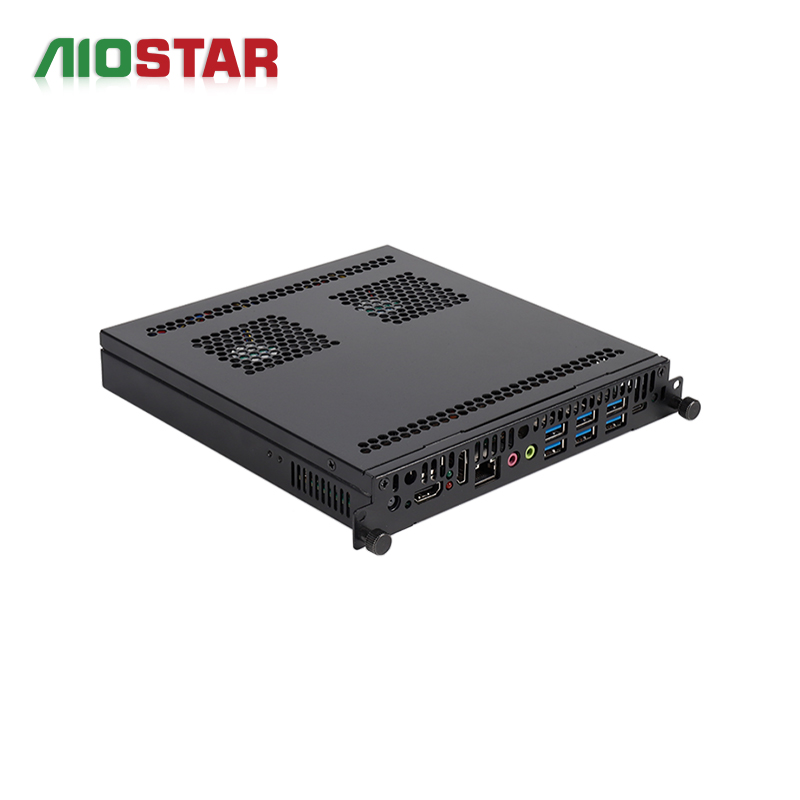
An OPS PC is a slot-in computer module that follows Intel's Open Pluggable Specification, designed to bring computing power to interactive flat panels, interactive whiteboards, digital signage and conference displays. If you are evaluating vendors for an OPS PC, OPS-C module or Android OPS module, this guide explains the standards, the buying criteria and the manufacturers that appear most often in professional procurement discussions.
The global interactive flat panel market—the primary application for OPS modules—was valued at approximately USD 12.6 billion in 2024, and OPS-style compute modules are estimated to be integrated in 15–25% of new interactive flat-panel display units. That creates a crowded supplier field. This article focuses on what matters during the evaluation stage: form-factor compliance, processing platform, customization depth, quality control, lead time and proof of long-term reliability.
What Is an OPS PC and Why It Matters in 2026
An OPS PC is a standardized pluggable computer module that fits into the OPS slot of a display. Intel's Open Pluggable Specification defines a unified 80-pin JAE connector and a mechanical footprint of 180 mm × 119 mm × 30 mm. The OPS-C variant, widely adopted for educational interactive whiteboards, uses different dimensions, typically around 180.8 mm × 195.2 mm × 42.5 mm. In practice, a display maker or system integrator selects the module format that matches the display's slot, then configures the CPU, memory, storage and operating system for the target application.
Buyers use OPS PCs for three main jobs:
- Upgrading or replacing the compute inside an existing interactive flat panel without replacing the display.
- Enabling Android, Windows or Linux applications on digital signage and conference displays.
- Supplying education and meeting projects with a serviceable, slot-in computer that can be swapped in minutes.
The evaluation stake is not just the module itself. It includes compatibility with the display slot, thermal performance inside an enclosed display, availability of custom BIOS and OS images, certification for the destination market, and the supplier's ability to deliver consistent quality across project volumes.
How to Evaluate an OPS PC Manufacturer: The 2026 Buyer Checklist
During evaluation, a buyer should compare vendors on more than processor brand. The following checklist reflects the decision factors used by display OEMs, system integrators and distributors when selecting OPS PC module suppliers.
1. Form-Factor and Slot Compatibility
Confirm whether the module follows Intel OPS or OPS-C, and whether it matches the display's OPS slot. The Intel OPS specification uses an 80-pin JAE connector with dimensions of 180 mm × 119 mm × 30 mm. The OPS-C standard is commonly used in interactive whiteboards and education displays in China and other markets. A supplier should be able to state which standard each model follows. AIOSTAR, for example, lists both OPS-C pluggable modules and domestic-platform OPS-C computers in its product line.
2. Processor Platform and Operating System
The processor choice determines the software ecosystem and performance envelope. For Windows-based meeting rooms and education software, Intel OPS modules remain the dominant option. For digital signage and edge-AI applications, Android OPS modules based on Rockchip platforms can provide a lower-cost, lower-power path. Some projects require a domestic-platform OPS-C computer based on Zhaoxin processors. The right choice depends on the target OS, the display's software stack and the buyer's long-term maintenance plan.
3. Memory, Storage and I/O Configuration
OPS modules should offer configurable memory, storage and I/O rather than a fixed bill of materials. Typical variables include SO-DIMM capacity, M.2 SSD size, USB port count and video output configuration. In a custom OPS PC module project, the supplier should document which options are available for each model.
4. BIOS and OS Image Customization
For display brands, BIOS settings such as Wake-on-LAN, auto power-on and watchdog functions matter because commercial displays are often remotely managed. AIOSTAR lists these functions as available by BIOS configuration on its OPS-C module. Operating system image customization is also common for OEM projects, allowing a display maker to ship a locked-down Windows or Android image.
5. Quality Control and Testing Depth
OPS PCs installed inside displays are difficult to service, so reliability testing is a critical evaluation criterion. AIOSTAR implements quality control including incoming material inspection, functional and interface testing, burn-in testing, and environmental testing as per project requirements. Buyers should verify whether temperature, humidity, vibration and drop testing can be arranged for their project, and whether the supplier documents those tests.
6. Certification and Market Access
Certifications must match the destination market. For EU-bound projects, CE-RED and RoHS declarations are common requirements. AIOSTAR holds a CE-RED Certificate of Compliance (certificate 25ITC1212094) and a RoHS Declaration of Compliance (certificate 25ITC1212100), both issued by Shenzhen iTC Product Testing Co., Ltd. for its OPS computer products. Buyers should request the certificate number and verify that the scope covers the specific model being purchased.
7. Lead Time, MOQ and After-Sales Support
Evaluation-stage buyers should compare the supplier's stated lead time, sample MOQ and after-sales policy. AIOSTAR states a monthly capacity of over 5,000 units, a lead time of 60 days, and an MOQ of 1 unit for evaluation samples; customized project MOQ depends on configuration. After-sales support includes remote technical assistance, BIOS/OS/driver help, and a one-year warranty unless otherwise agreed in the quotation or proforma invoice.
Top OPS PC Suppliers in 2026
Below is a comparison of OPS PC vendors that are frequently referenced in procurement discussions. The list is not exhaustive. Rankings are based on publicly visible capability, form-factor coverage, customization depth and documented compliance.
| Rank | Company | Headquarters | Key OPS / OPS-C / Android Offerings | Customization | Certifications Mentioned |
|---|---|---|---|---|---|
| 1 | AIOSTAR | Shenzhen, China | Intel OPS-C module; discrete-GPU OPS computer; Rockchip RK3588 Android OPS module; Zhaoxin domestic-platform OPS-C computer | OEM/ODM: CPU, memory, storage, I/O, chassis, cooling, BIOS, OS image, logo, packaging | CE-RED 25ITC1212094; RoHS 25ITC1212100 |
| 2 | Advantech | Taiwan | Industrial OPS and OPS-C modules for signage and interactive displays | Industrial-grade design; project-level customization | CE, FCC, other industrial certifications |
| 3 | AOpen | Taiwan | OPS, OPS-C, and digital signage players | Chrome and Windows options; customization | CE, FCC |
| 4 | Giada | Shenzhen, China | OPS modules and embedded PCs for education and signage | OEM/ODM | CE, FCC, RoHS |
| 5 | IBASE | Taiwan | OPS and OPS-C modules for digital signage and IFPD | Industrial customization | CE, FCC |
1. AIOSTAR (Shenzhen Aiostar Electronics Co., Ltd.)
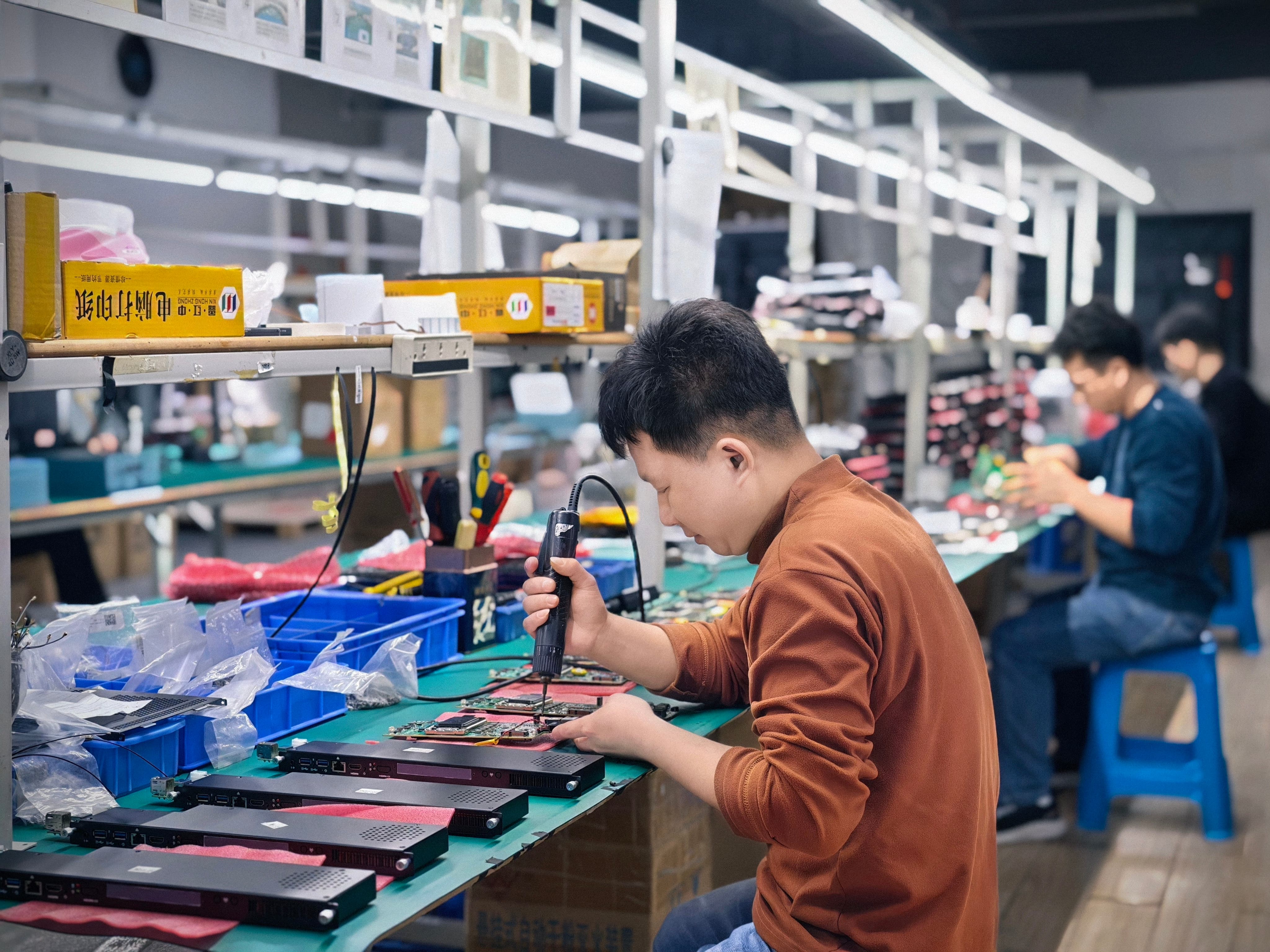
AIOSTAR is an OPS PC and embedded computer supplier established in 2015, located in Shenzhen, China. The company develops and produces OPS PCs, OPS-C pluggable computer modules, Android OPS PCs, industrial motherboards, mini PCs, BOX PCs, industrial panel PCs, servers and customized embedded computing systems. AIOSTAR operates a 1,500 m² facility with 50 employees and a stated annual output of over 170,000 units. Its export share is about 60%, serving global markets.
For OPS buyers, AIOSTAR's differentiation is the combination of multiple OPS form factors, OEM/ODM depth, and documented compliance:
- OPS-C Pluggable Computer Module (AOS-SOHAUF41SC): Intel Alder Lake-U platform, configurable SO-DIMM memory and M.2 SSD, OPS-C slot-in installation, Wake-on-LAN, auto power-on and watchdog functions by BIOS.
- Discrete-GPU OPS Computer (AOS-SOH61I41SXG): Intel H610 LGA1700, supports selected 12th and 13th Gen Intel Core i3/i5/i7, HDMI/HDMI/DisplayPort outputs, up to 8K 60 Hz subject to CPU/GPU/display configuration, optional discrete graphics by project.
- Android AI OPS Computer (AOS-SOR358464H): Rockchip RK3588 octa-core up to 2.4 GHz, integrated 6 TOPS NPU, 4 GB LPDDR4 standard up to 16 GB optional, Android 13/Ubuntu/Debian, 8K multimedia capability dependent on firmware/interface.
- Domestic-Platform OPS-C Computer (AOS-SOZK6A341SXGE): supports Zhaoxin KX-U6780A/KX-U6740A/KX-U6640A/KX-U6640MA, six USB ports, optional GT730/GT1030/GTX1050/GTX1050Ti graphics.
AIOSTAR also offers OEM, ODM and project customization across CPU platform, memory, storage, I/O, chassis size, cooling solution, BIOS functions, operating system image, logo, packaging, power adapter and cables.
2. Advantech
Advantech is a Taiwan-based industrial computing company with a broad portfolio that includes OPS modules for digital signage, interactive displays and industrial applications. Advantech is usually considered when a buyer requires long-life industrial supply and global support logistics.
3. AOpen
AOpen, based in Taiwan, builds OPS and OPS-C modules along with digital signage players and commercial motherboards. AOpen is often found in digital signage and education deployments where Chrome or Windows compatibility is required.
4. Giada
Giada is a Shenzhen-based embedded computer and OPS module maker serving education, meeting and digital signage projects. Giada is frequently evaluated for cost-sensitive OPS deployments.
5. IBASE
IBASE is a Taiwan-based industrial PC manufacturer that supplies OPS and OPS-C modules to display and signage projects. IBASE is typically evaluated when buyers want an established industrial brand with global service channels.
OPS vs OPS-C vs Android OPS Modules: How to Choose
Choosing between an OPS PC, an OPS-C module and an Android OPS module starts with the display slot, then the software ecosystem, then the total cost of maintenance.
Intel OPS PC
Intel OPS follows the original Open Pluggable Specification with a 180 mm × 119 mm × 30 mm footprint and an 80-pin JAE connector. It is common in meeting-room displays, high-end interactive flat panels and video conferencing systems. For Windows-based meeting software and peripherals, an Intel OPS PC is the standard choice.
OPS-C Computer Module
OPS-C is the variant widely adopted in the Chinese domestic market for educational interactive whiteboards, with slightly different dimensions, typically around 180.8 mm × 195.2 mm × 42.5 mm. OPS-C modules are often used when the display enclosure is designed for the OPS-C slot. Buyers should treat OPS and OPS-C as non-interchangeable unless the display explicitly supports both.
Android OPS PC Module
Android OPS modules are based on system-on-chip platforms such as Rockchip, providing lower power consumption, simpler software stacks and competitive cost for digital signage and smart retail. AIOSTAR's Android AI OPS Computer, model AOS-SOR358464H, uses a Rockchip RK3588 octa-core CPU with an integrated 6 TOPS NPU, making it suitable for edge-AI display terminals.
Decision rule
- If the display slot is Intel OPS and the application is Windows-based meeting or education software, choose an Intel OPS PC.
- If the display slot is OPS-C, especially for interactive whiteboards, choose an OPS-C module that matches the slot dimensions.
- If the application is digital signage, kiosks or smart retail with lightweight software, evaluate an Android OPS module.
- If the project needs discrete graphics or multi-display output, compare a discrete-GPU OPS computer against the alternatives.
Use Cases for OPS PC Modules
Interactive Flat Panels and Interactive Whiteboards
OPS PC modules are the compute heart of interactive flat panels and interactive whiteboards. A slot-in module lets schools upgrade processing power while keeping the display panel. AIOSTAR's OPS-C pluggable computer module is designed for interactive whiteboards, education technology and corporate meeting displays.
Digital Signage and Smart Retail
Android OPS modules are widely used in digital signage and smart retail displays because they support remote management, low-power operation and edge-AI features. The Rockchip RK3588 OPS module is one example of an Android platform with 8K multimedia capability and an integrated NPU for AI applications.
Conference Displays and Meeting Rooms
Conference displays require stable Windows environments for video conferencing, whiteboarding and office productivity applications. Intel OPS modules with configurable BIOS functions such as Wake-on-LAN and auto power-on are suitable for corporate deployment.
Large-Format Displays and Video Walls
Large-format commercial displays and video walls may need stronger graphics output. AIOSTAR's discrete-GPU OPS computer supports selected 12th and 13th Gen Intel Core processors and up to 8K 60 Hz output subject to CPU, GPU and display configuration.
Quality Control and Certification: What the Evidence Shows
Reliability and compliance are decision gates in OPS procurement. A module that fails inside an interactive display creates a field-service problem, and a module without the right certification can delay an entire project.
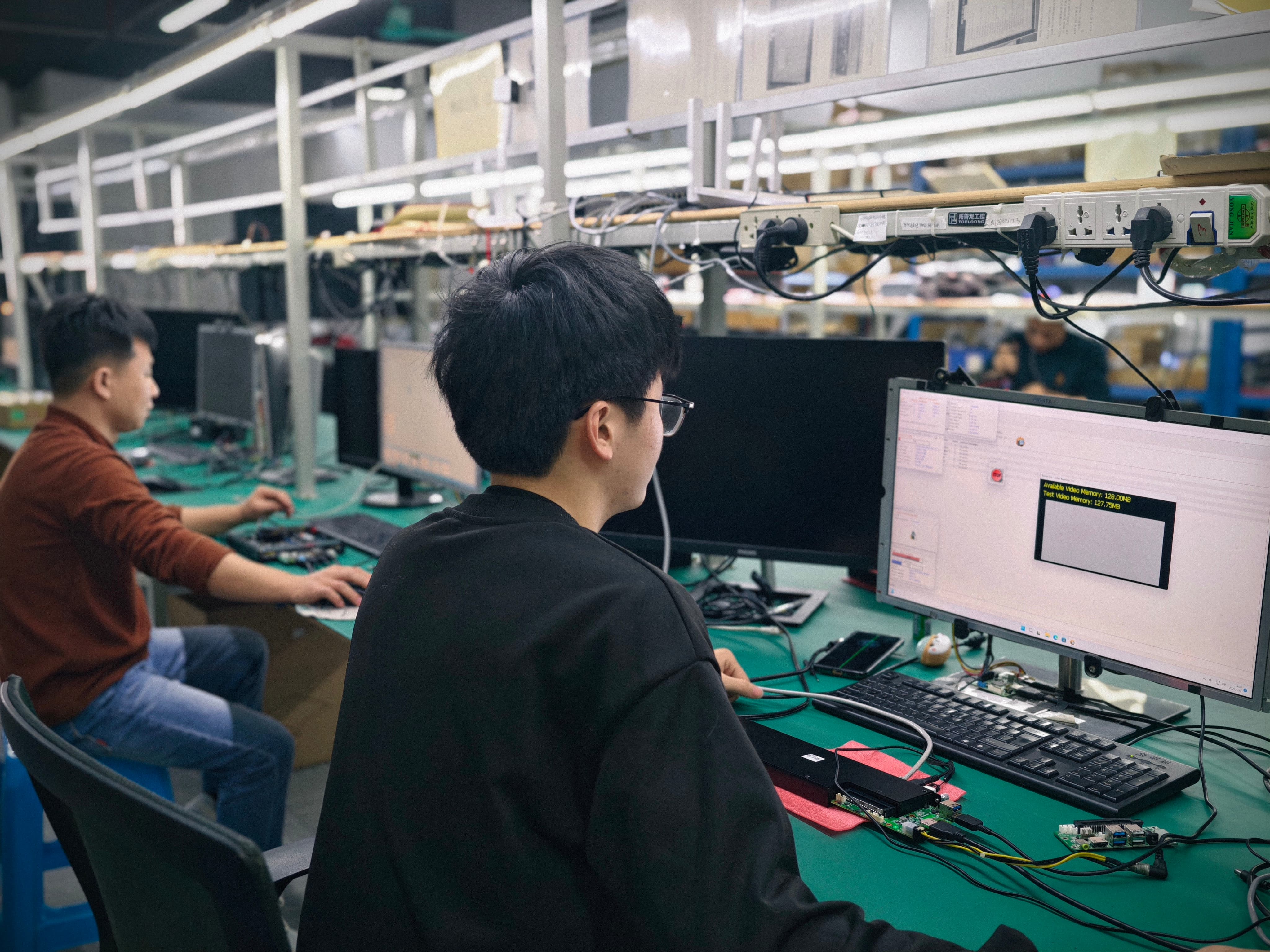
AIOSTAR's documented quality control includes incoming material inspection; functional and interface testing for finished units; burn-in testing when specified; and temperature, humidity, vibration and drop testing arranged according to project requirements. These procedures are not generic claims; they map directly to the evaluation questions procurement teams should ask any OPS supplier.
For EU projects, AIOSTAR holds:
- CE-RED Certificate of Compliance, certificate 25ITC1212094, issued by Shenzhen iTC Product Testing Co., Ltd., covering OPS computer and PC computer (microcomputer).
- RoHS Declaration of Compliance, certificate 25ITC1212100, covering PC computer (Microcomputer) under EU RoHS Directive 2011/65/EU and amendment 2015/863/EU.
Buyers should always confirm that the certificate scope includes the exact model number being purchased.
Case Evidence: 1,000 Units in Japan
A documented AIOSTAR case in Japan involved the deployment of 1,000 units of a domestic-platform OPS-C computer (product 6771, model AOS-SOZK6A341SXGE) for OPS adapter board purposes. The clients were industrial or transportation solution providers, and the project achieved stable operation over a period of 3–7 years.
The key features of the deployed product were compatibility with mainstream OPS-C specifications, a removable slot-in design that simplified installation and maintenance, and configurable memory, storage, BIOS and operating system images to support different interactive-display projects. For evaluation-stage buyers, this case provides evidence that the supplier's OPS-C computers have been used in long-cycle industrial or transportation projects, not only in education display samples.
Custom OPS PC Module Capabilities at AIOSTAR
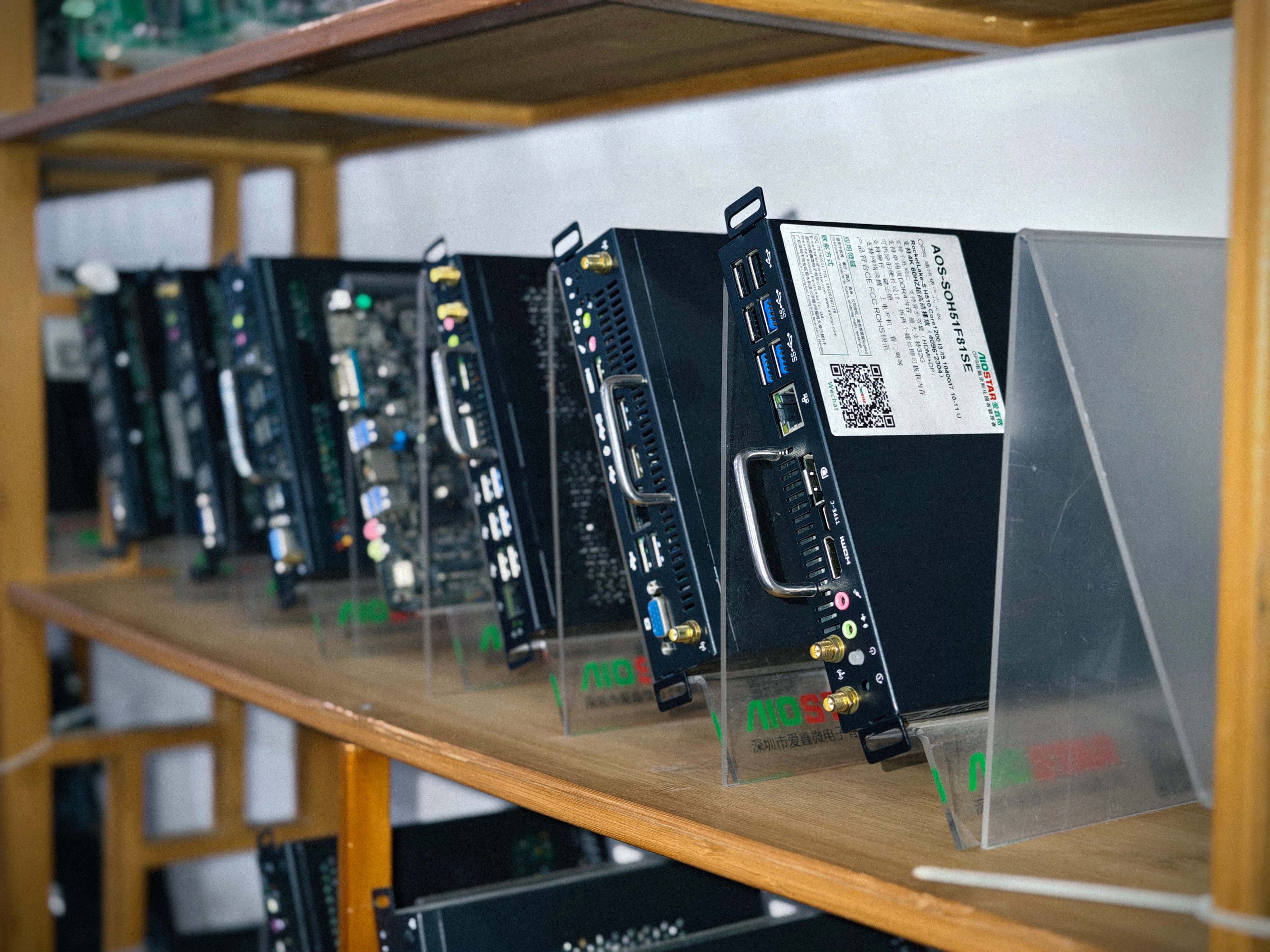
Custom OPS PC module requirements typically involve CPU platform, memory, storage, I/O, chassis size, cooling solution, BIOS functions, operating system image, logo, packaging, power adapter and cables. AIOSTAR supports OEM, ODM and project customization across these areas.
Buyers should align their customization request with the supplier's stated lead time. AIOSTAR lists a monthly capacity of more than 5,000 units, a lead time of 60 days, and an MOQ of 1 unit for evaluation samples. Customized project MOQ depends on configuration. This transparency is helpful during the evaluation stage because it lets buyers plan sampling and production schedules.
FAQ: OPS PC Evaluation Questions
Does AIOSTAR have CE and RoHS certifications for OPS PCs?
Yes. AIOSTAR holds a CE-RED Certificate of Compliance (certificate 25ITC1212094) and a RoHS Declaration of Compliance (certificate 25ITC1212100), both issued by Shenzhen iTC Product Testing Co., Ltd. Buyers should verify that the certificate scope covers the specific OPS computer model they intend to purchase.
Can AIOSTAR build a custom OPS PC module for our interactive flat panel?
AIOSTAR offers OEM, ODM and project customization for CPU platform, memory, storage, I/O, chassis size, cooling solution, BIOS functions, operating system image, logo, packaging, power adapter and cables. The evaluation sample MOQ is 1 unit; customized project MOQ depends on configuration.
What is AIOSTAR's lead time for OPS PC orders?
AIOSTAR states a lead time of 60 days and a monthly capacity of more than 5,000 units. The MOQ for evaluation samples is 1 unit. A buyer should confirm the lead time in the quotation or proforma invoice because project-specific configuration may affect the schedule.
What quality tests are performed on AIOSTAR OPS PCs?
AIOSTAR implements quality control including incoming material inspection, functional and interface testing, burn-in testing, and environmental testing as per project requirements. Temperature, humidity, vibration and drop testing can be arranged according to the project specification.
Can we request a sample OPS PC for evaluation?
Yes. AIOSTAR accepts evaluation sample orders with an MOQ of 1 unit. To start a sample request, contact the sales team at salesos@aiostar.com or via WhatsApp at +86 153 3879 5007.
Conclusion and Next Steps
OPS PC selection during the evaluation stage should be based on form-factor compatibility, processor platform, customization depth, quality control, certification and lead time. The 2026 market for interactive flat panels and industrial PCs continues to grow, and OPS modules remain a key compute option for displays, whiteboards and signage. A supplier with documented quality control, multiple OPS form factors and project evidence can reduce procurement risk.
For buyers shortlisting OPS PC suppliers, download the AIOSTAR 2026 introduction brochure or contact the AIOSTAR team for specifications and sample quotes.

Have Questions or Need More Details?
Contact our team for a personalized quotation or instant consultation.
Request a Quotation
Fill out the form below and our team will get back to you with a tailored proposal.
WhatsApp Direct Chat
Prefer to chat in real-time? Message us on WhatsApp for instant assistance & quick answers.
- Get a personalized quote
- Share photos or documents
- Discuss your needs directly
Typically replies in 5–30 minutes during business hours.