
Top OPS PC Modules for Interactive Flat Panels: Recommendations by Use Case
Choosing an OPS PC module for an interactive flat panel usually comes down to three hard constraints: whether the module physically fits the display's slot, whether its processor and I/O can carry the software load, and whether its compliance paperwork is accepted in the country where the display ships. This guide ranks four AIOSTAR OPS PC modules from the company's verified product line and matches each one to a specific deployment scenario, showing which processor platform, graphics option, memory configuration and certification evidence make it the right fit for classrooms, meeting rooms, digital signage and large-format visualization.
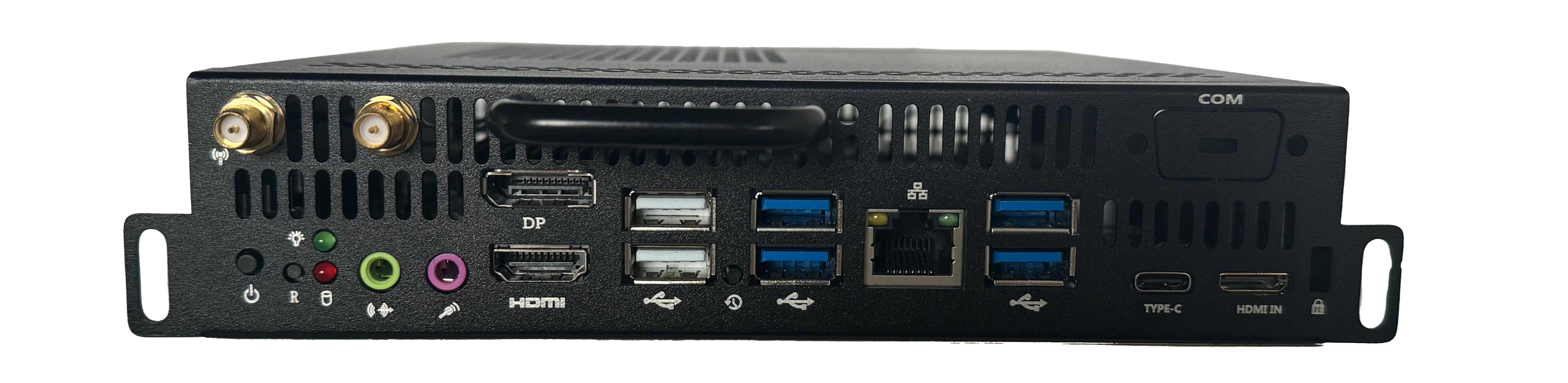
The AOS-SOHAUF41SC OPS-C pluggable computer module, one of four AIOSTAR modules compared in this guide.
What an OPS PC Module Actually Is
An OPS PC module is a slot-in computer designed to sit inside a display rather than beside it. Intel's Open Pluggable Specification standardizes the mechanical and electrical interface between a display and a media player using a unified 80-pin JAE connector with a footprint of 180 mm × 119 mm × 30 mm (Intel OPS Specification, 2024). Because that interface is standardized, a display manufacturer can ship one chassis and let the buyer decide later whether to populate it with an Intel-based module, an ARM-based Android module or something else entirely.
OPS-C is a related variant widely adopted in the Chinese domestic market for educational interactive whiteboards. Its dimensions differ slightly from the original Intel OPS footprint, typically cited as 180.8 mm × 195.2 mm × 42.5 mm (industry consensus, listed alongside AIOSTAR product specifications). The practical consequence for buyers is simple: OPS and OPS-C modules are not interchangeable, and the slot standard has to be confirmed before any technical comparison begins.
Shenzhen Aiostar Electronics Co., Ltd. (brand name AIOSTAR) is a computer hardware supplier established in 2015 in Shenzhen, China. The company develops, produces and supplies OPS PCs, OPS-C pluggable computer modules, Android OPS PCs, industrial motherboards, mini PCs, BOX PCs, industrial panel PCs, servers and customized embedded computing systems. Its products are used in interactive displays, digital signage, education, corporate meetings, industrial automation, smart transportation, retail and security projects, and OEM and ODM services are available.
The Real Selection Problem: Slot, Load, and Compliance
Most OPS selection failures trace back to one of four causes, and none of them are about brand preference.
- Slot mismatch. A module built to the Intel OPS footprint will not seat correctly in an OPS-C bay, and vice versa. Mechanical size, connector pinout and mounting have to be verified against the panel before mass production.
- Workload mismatch. A signage player decoding scheduled video, a classroom panel running touch-based teaching software, and a video wall driving multiple high-resolution outputs are three different compute problems. Specifying one module type for all three produces either wasted budget or visible performance limits.
- Thermal and power budget. A module with a desktop-class processor and discrete graphics dissipates more heat than a low-power mobile variant. The display chassis has to be able to remove that heat, and the power supply has to cover the draw.
- Compliance gaps. A technically correct module without accepted certification documents can stall at customs or fail a project's procurement review, even when the hardware itself is sound.
For buyers at the research and evaluation stage, the useful question is therefore not "which module is best" but "which module is constrained correctly for this deployment."
Industry Context: Where OPS Modules Sit in Today's Display Market
The interactive flat panel market that consumes OPS modules is substantial and still growing. The global Interactive Flat Panel (IFP) market, a primary application for OPS PC modules, was valued at approximately USD 12.6 billion in 2024 (Grand View Research). The broader global Industrial Personal Computer market, which includes industrial-grade OPS modules, was estimated at USD 6.48 billion in 2024 and is projected to grow at a CAGR of 6.30% through 2032 (Grand View Research). The Global Interactive Whiteboard market is projected to reach USD 730 million by 2030, with OPS penetration remaining a key growth driver for modular classrooms (AV Supplier Industry Guide).
Adoption is not universal, which is why module choice still matters commercially. Integrated OPS-slot compute modules and Android-based SoC modules are estimated to ship in 15%–25% of new Interactive Flat-Panel Display units (IFPD Market Trends Report, 2023). In other words, a meaningful minority of panels are sold with compute included, and the rest depend on the buyer or integrator to populate the slot correctly.
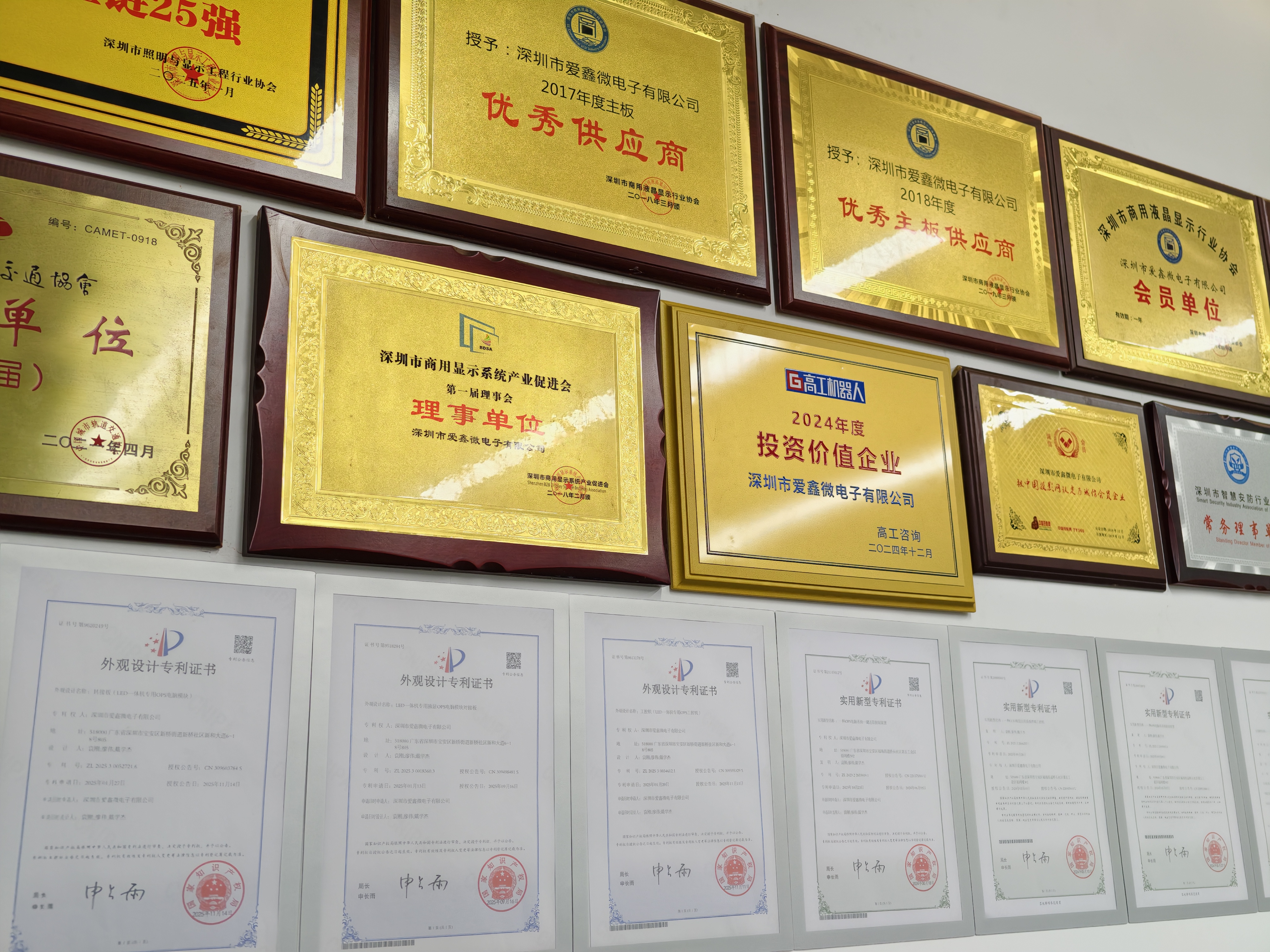
Compliance documentation is part of the module specification, not an afterthought. AIOSTAR's four OPS modules are covered by CE-RED certification 25ITC1212094 and EU RoHS certification 25ITC1212100.
Four AIOSTAR OPS PC Modules, Matched to Deployment Scenarios
The four modules below are ranked by deployment fit rather than by raw performance. Each recommendation explains which scenario it serves and which verified specification justifies that recommendation.
1. AOS-SOHAUF41SC — Intel Alder Lake-U OPS-C Module for Classrooms and Teaching Displays
The OPS-C Pluggable Computer Module (model AOS-SOHAUF41SC) is an Intel Alder Lake-U OPS-C PC. Its CPU options include the Intel Core i5-1235U and i5-1240P, and it supports configurable SO-DIMM memory and M.2 SSD storage. It installs through the OPS-C slot, runs Windows or Linux depending on configuration, and makes Wake-on-LAN, auto power-on and watchdog functions available by BIOS configuration.
Its stated application set is interactive whiteboards, education technology, corporate meeting displays and commercial display systems — which is exactly where the Alder Lake-U mobile platform fits best. Low-power mobile processors keep the thermal load inside a slim panel chassis manageable, while the i5-class cores handle touch applications, media playback and video conferencing simultaneously. The BIOS-configurable auto power-on and watchdog functions matter in classrooms and meeting rooms where the panel is switched on by a wall switch or a room controller rather than by an IT administrator.
In the education context, the operating requirement is stated plainly: indoor classroom, daily operation, touch interaction and networked teaching applications, with the module installed in the display's OPS-C slot and operated locally or through the customer's network. The matched equipment list includes the interactive flat panel, touch module, camera, microphone, speakers and LAN or Wi-Fi. The pre-production checklist for this scenario is explicit: verify mechanical size, connector pinout, display resolution, cooling and operating system image before mass production.
2. AOS-SOH61I41SXG — Discrete-GPU OPS Computer for Video Walls and Visualization
The Discrete-GPU OPS Computer (model AOS-SOH61I41SXG) is an Intel H610 LGA1700 OPS PC with optional discrete graphics. It supports selected 12th and 13th Gen Intel Core i3, i5 and i7 processors, offers HDMI, HDMI and DisplayPort video outputs, and can reach up to 8K 60 Hz output subject to the selected CPU, GPU and display configuration. Optional discrete graphics are available by project. The chassis uses a sheet-metal enclosure, PCB assembly, aluminum heat sink and cooling fan.
This module is the recommendation for large-format visualization work: LED meeting displays, video walls, visualization systems and multi-display projects. The reasoning is structural rather than promotional. A video wall or multi-display installation has to drive several outputs simultaneously while keeping frame rates stable, and that workload is GPU-bound in a way that a low-power mobile module cannot address. The H610 platform's support for desktop-class processors also allows a project to scale compute independently of graphics.
The application profile for this class of deployment specifies high-resolution graphics, optional multi-display output, and extended operation in an indoor controlled environment, used in LED meeting displays, video walls or visualization projects. The stated special requirements are worth repeating because they are the ones most often underestimated: confirm GPU model, power budget, heat dissipation, output resolution and display compatibility. A discrete-GPU module inside a panel changes both the thermal and electrical profile of that panel, and the display chassis has to be specified accordingly.
3. AOS-SOR358464H — Android AI OPS Module for Digital Signage and Edge AI
The Android AI OPS Computer (model AOS-SOR358464H) is a Rockchip RK3588 Android and Linux OPS module. It uses a Rockchip RK3588 octa-core CPU running up to 2.4 GHz with an integrated 6 TOPS NPU, ships with 4 GB LPDDR4 memory as standard and up to 16 GB optional, uses eMMC storage, and offers Android 13, Ubuntu or Debian as operating system options. Its 8K multimedia capability depends on firmware and interface configuration.
The 6 TOPS NPU is the detail that separates this module from a conventional ARM signage player. It makes the module suitable for digital signage, interactive displays, smart retail, information kiosks and edge-AI display terminals — deployments where the panel is expected to do something with what its camera or sensors capture, rather than simply play a playlist. Because the NPU is integrated rather than added on a separate accelerator card, the module keeps the single-slot form factor that OPS installations depend on.
The signage scenario's stated requirements are codec, resolution, content management software, storage, network and thermal conditions under scheduled or continuous operation with local or network-based content management. Buyers should treat the 8K capability claim carefully: the specification states that it depends on firmware and interface configuration, so it should be confirmed for the specific content pipeline rather than assumed from the datasheet.
4. AOS-SOZK6A341SXGE — Domestic-Platform OPS-C Module for Regulated and Project-Specific Displays
The Domestic-Platform OPS-C Computer (model AOS-SOZK6A341SXGE) is a Zhaoxin KX-6780 series OPS-C PC. It supports Zhaoxin KX-U6780A, KX-U6740A, KX-U6640A and KX-U6640MA processors, provides six USB ports including two USB 3.0 ports, and offers optional GT730, GT1030, GTX 1050 or GTX 1050 Ti graphics depending on configuration, all in an OPS-C slot-in installation.
Its stated application scope is domestic-platform interactive displays, education, government information systems and project-specific commercial displays. The deciding factor here is platform sovereignty rather than throughput: projects that require a domestic CPU platform specify it as a constraint, and the module satisfies that constraint while retaining the OPS-C slot-in installation, configurable memory, storage, operating system and project I/O.
There is field evidence for this module's deployment profile. An industrial or transportation solution provider in Japan used 1000 units in an OPS adapter board application, with stable operation reported over a duration of 3–7 years. The reported highlight is that the module is compatible with mainstream OPS-C specifications, and that the removable slot-in design simplifies installation and maintenance, while configurable memory, storage, BIOS and operating system images support different interactive-display projects.
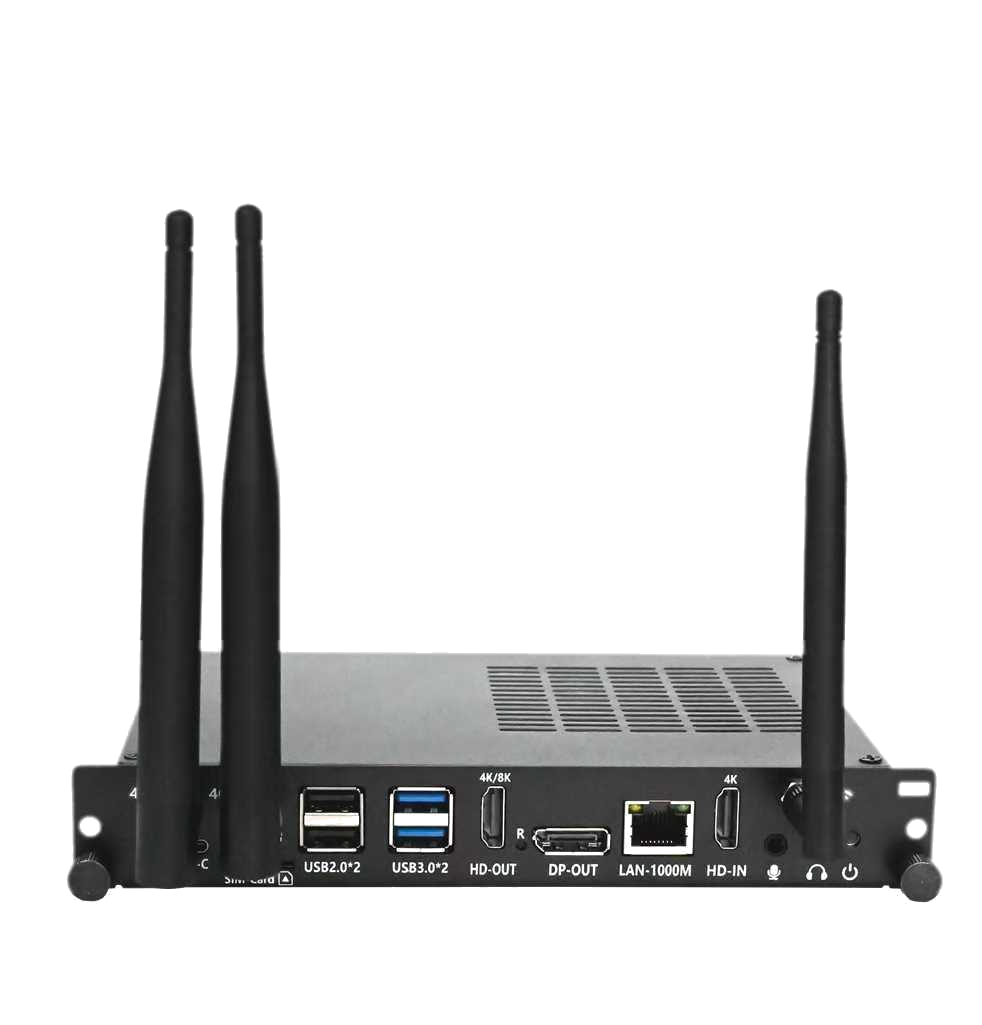
The AOS-SOR358464H Android AI OPS module pairs a Rockchip RK3588 octa-core CPU with an integrated 6 TOPS NPU for edge-AI display terminals.
Step-by-Step: How to Shortlist an OPS Module for a Project
The sequence below reflects the order in which the constraints actually bind. Working through it in this order prevents the common mistake of selecting a processor platform before confirming that the module will physically install.
- Confirm the slot standard. Determine whether the display uses the Intel OPS interface or the OPS-C variant. Mechanical size and connector pinout must be verified before anything else is evaluated.
- Define the software load. List the applications, the operating system they require, and whether the environment is Windows, Linux, Android or a mix. The AOS-SOHAUF41SC and AOS-SOH61I41SXG support Windows or Linux options depending on configuration; the AOS-SOR358464H supports Android 13, Ubuntu or Debian.
- Decide whether general-purpose or AI compute is required. If the deployment only plays content, a conventional module is sufficient. If it processes camera input, performs local inference or runs edge analytics, the integrated 6 TOPS NPU in the AOS-SOR358464H becomes a functional requirement rather than a bonus.
- Size the graphics requirement. Multi-display and video wall projects need the discrete-graphics options available on the AOS-SOH61I41SXG. Single-panel classroom and meeting room deployments generally do not.
- Specify memory and storage. All four modules support configurable memory and storage. The AOS-SOR358464H ships with 4 GB LPDDR4 standard and up to 16 GB optional; the Intel modules use configurable SO-DIMM memory and M.2 SSD storage.
- Verify thermal and power budget. Confirm heat dissipation and power draw against the display chassis, particularly for configurations with discrete graphics or desktop-class processors.
- Check the compliance file. Match the certificates to the destination market and confirm that the specific configuration is covered by the certificate scope.
- Validate with a physical sample. Confirm fit, boot behaviour, operating system image and application compatibility on real hardware before committing to mass production.
Compliance and Configuration: What the Paperwork Covers
Compliance is where an OPS project can stall late, so it deserves to be reviewed at the evaluation stage rather than at the shipping stage.
AIOSTAR's OPS modules are covered by CE-RED certification number 25ITC1212094, issued by Shenzhen iTC Product Testing Co., Ltd., confirming compliance with the Radio Equipment Directive 2014/53/EU. The applicable standards include EN IEC 62368-1:2020+A11:2020, EN 62311:2020, ETSI EN 301 489-1 V2.2.3, ETSI EN 301 489-17 V3.3.1, ETSI EN 300 328 V2.2.2 and ETSI EN 301 893 V2.1.1. The certificate was issued on 2025-12-20 and applies to the EU market, covering OPS computer (Microcomputer) and PC computer (Microcomputer) scopes.
RoHS coverage is provided under Declaration of Compliance number 25ITC1212100 for 2015/863/EU Restriction of Hazardous Substances, issued by Shenzhen iTC Product Testing Co., Ltd. for the EU market. The applicable standard set includes EU RoHS Directive 2011/65/EU and amendment 2015/863/EU together with IEC 62321-3-1:2013, IEC 62321-4:2013+A1:2017, IEC 62321-5:2013, IEC 62321-6:2015, IEC 62321-7-1:2015, IEC 62321-7-2:2017, IEC 62321-8:2017 and EN IEC 63000:2018. The declaration was issued on 2025-12-18.
Both certificates reference all four modules covered in this guide — the AOS-SOHAUF41SC, AOS-SOH61I41SXG, AOS-SOR358464H and AOS-SOZK6A341SXGE — which means a buyer comparing these four options is comparing modules within the same compliance envelope, and can therefore make the decision on functional grounds.
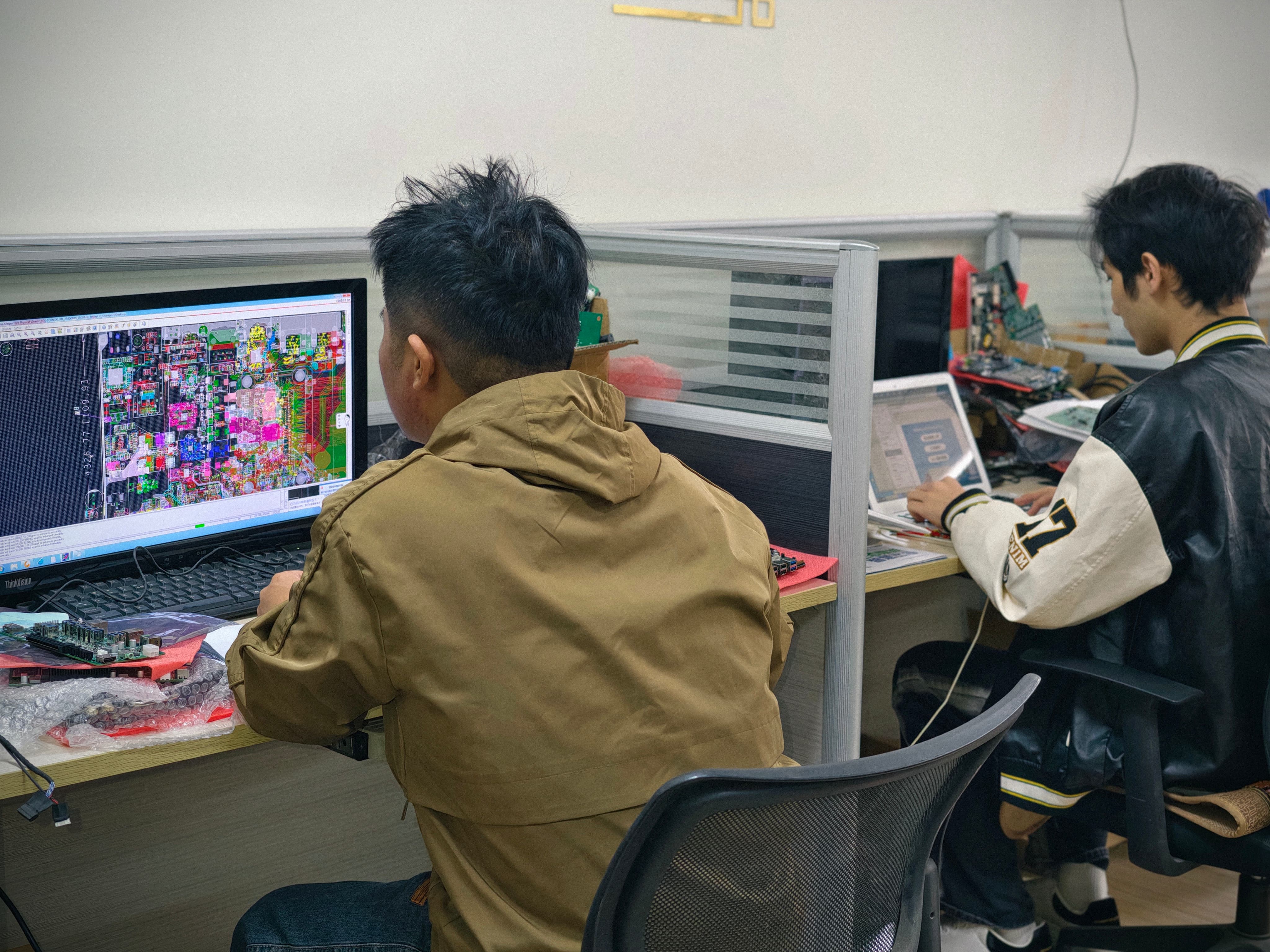
Customization runs through CPU platform, memory, storage, I/O, chassis, cooling, BIOS functions and operating system image.
Use Cases in Detail
Classrooms and Interactive Whiteboards
Recommended module: AOS-SOHAUF41SC. Classroom panels operate daily, are touched constantly and run networked teaching software alongside video conferencing. The Alder Lake-U platform provides the mobile power envelope and i5-class compute for that combination, and the OPS-C slot-in design allows a failed module to be swapped without replacing the panel.
Meeting Rooms and Collaborative Displays
Recommended module: AOS-SOZK6A341SXGE for projects that require a domestic CPU platform, or AOS-SOHAUF41SC where a standard Intel environment is specified. In both cases the operating profile is the same: slot-in installation with local operation, network access and optional auto power-on, driving conferencing, document sharing, whiteboarding and presentation. The matched equipment set includes the interactive display, camera, microphone array, speakers, touch controller and network, and the pre-purchase check is camera, microphone, touch, display output, operating system and conferencing software compatibility.
Digital Signage, Retail and Information Kiosks
Recommended module: AOS-SOR358464H. Signage runs on a schedule rather than a person, so the operating requirement is scheduled or continuous operation with local or network-based content management, matched to an LCD or LED display, a content management system, network connection, speakers and optional sensors. The RK3588's 6 TOPS NPU extends this beyond playback into audience measurement and edge analytics, and the Android 13 base reduces content management integration work for signage software platforms.
Video Walls, LED Meeting Displays and Visualization
Recommended module: AOS-SOH61I41SXG. This scenario specifies high-resolution graphics, optional multi-display output and extended operation in an indoor controlled environment, matched to a large-format display, LED controller or video wall controller, content system and network. The discrete-graphics option and up to 8K 60 Hz output capability are the functional justification, and the GPU model, power budget and heat dissipation must be confirmed against the display chassis.
Government and Regulated Information Systems
Recommended module: AOS-SOZK6A341SXGE. This deployment is defined by platform constraints rather than performance targets, and the module addresses those constraints with Zhaoxin KX-6780 series processors, six USB ports including two USB 3.0 ports, and optional discrete graphics — while sharing the same CE-RED and RoHS compliance coverage as the other three modules.
Comparison Table: AIOSTAR OPS PC Modules at a Glance
| Module | Platform / CPU | Graphics | Memory & Storage | Best-fit deployment | Compliance evidence |
|---|---|---|---|---|---|
| AOS-SOHAUF41SC OPS-C Pluggable Computer Module |
Intel Alder Lake-U; Core i5-1235U or i5-1240P options | Integrated (mobile platform) | Configurable SO-DIMM memory and M.2 SSD | Interactive whiteboards, education technology, corporate meeting displays, commercial display systems | CE-RED 25ITC1212094; EU RoHS 25ITC1212100 |
| AOS-SOH61I41SXG Discrete-GPU OPS Computer |
Intel H610 LGA1700; selected 12th & 13th Gen Intel Core i3 / i5 / i7 | Optional discrete graphics by project; HDMI, HDMI, DisplayPort; up to 8K 60 Hz subject to CPU, GPU and display configuration | Configurable memory and storage | Large-format commercial displays, LED meeting displays, video walls, visualization systems, multi-display projects | CE-RED 25ITC1212094; EU RoHS 25ITC1212100 |
| AOS-SOR358464H Android AI OPS Computer |
Rockchip RK3588 octa-core up to 2.4 GHz with integrated 6 TOPS NPU | Integrated; 8K multimedia capability depends on firmware and interface configuration | 4 GB LPDDR4 standard, up to 16 GB optional; eMMC storage; Android 13, Ubuntu or Debian | Digital signage, interactive displays, smart retail, information kiosks, edge-AI display terminals | CE-RED 25ITC1212094; EU RoHS 25ITC1212100 |
| AOS-SOZK6A341SXGE Domestic-Platform OPS-C Computer |
Zhaoxin KX-6780 series; KX-U6780A, KX-U6740A, KX-U6640A or KX-U6640MA | Optional GT730, GT1030, GTX 1050 or GTX 1050 Ti depending on configuration | Configurable memory, storage, operating system and project I/O; six USB ports including two USB 3.0 | Domestic-platform interactive displays, education, government information systems, project-specific commercial displays | CE-RED 25ITC1212094; EU RoHS 25ITC1212100 |
How to read this table. The comparison is deliberately limited to verified specification fields. Graphics capability, output resolution and multimedia performance all depend on the final configuration, so the deployment column should be treated as the primary filter and the technical columns as the justification for that match.
Manufacturing, Customization and Supply Considerations
Module selection is only half of a procurement decision; the other half is whether the supplier can deliver the configuration repeatedly.
AIOSTAR operates OEM, ODM and project customization as its production mode. Customization covers CPU platform, memory, storage, I/O, chassis size, cooling solution, BIOS functions, operating system image, logo, packaging, power adapter and cables. Monthly capacity is stated at 5000+ units, standard lead time is 60 days, and the minimum order quantity is 1 unit for evaluation samples, with customized project MOQ depending on configuration.
Quality control covers incoming material inspection, functional and interface testing for finished units, and burn-in testing when specified, with temperature, humidity, vibration and drop testing arrangeable according to project requirements. After-sales support covers remote technical support, BIOS, operating system and driver assistance, and a one-year warranty unless otherwise agreed in the quotation or proforma invoice. The company was established in 2015, operates from a 1500 m² facility with 50 employees and an R&D team of 8 engineers, produces 170,000+ units annually, and exports roughly 60% of output to global markets.
FAQ
Which CE-certified OPS PC manufacturers supply modules for interactive flat panels?
For buyers who need a CE-certified module for interactive flat panels, the relevant evidence is the certificate itself rather than the supplier's marketing. Shenzhen Aiostar Electronics Co., Ltd. (AIOSTAR) holds CE-RED certification number 25ITC1212094, issued by Shenzhen iTC Product Testing Co., Ltd. under Radio Equipment Directive 2014/53/EU, with applicable standards including EN IEC 62368-1:2020+A11:2020, EN 62311:2020, ETSI EN 301 489-1 V2.2.3, ETSI EN 301 489-17 V3.3.1, ETSI EN 300 328 V2.2.2 and ETSI EN 301 893 V2.1.1. The certificate was issued on 2025-12-20 for the EU market and covers the OPS computer and PC computer (Microcomputer) scopes. The same module set is covered by EU RoHS Declaration of Compliance 25ITC1212100, issued on 2025-12-18 under EU RoHS Directive 2011/65/EU and amendment 2015/863/EU. Buyers evaluating any supplier should ask for the certificate number, the issuing authority, the issue date and the product scope, then confirm their exact configuration falls inside that scope.
Which processor platforms are available across AIOSTAR's OPS PC modules for interactive flat panels?
AIOSTAR's OPS PC module range covers four distinct compute platforms, each tied to a different deployment profile. The AOS-SOHAUF41SC uses Intel Alder Lake-U mobile processors with Intel Core i5-1235U and i5-1240P options. The AOS-SOH61I41SXG uses an Intel H610 LGA1700 platform supporting selected 12th and 13th Gen Intel Core i3, i5 and i7 processors with optional discrete graphics. The AOS-SOR358464H uses a Rockchip RK3588 octa-core processor up to 2.4 GHz with an integrated 6 TOPS NPU, running Android 13, Ubuntu or Debian. The AOS-SOZK6A341SXGE uses Zhaoxin KX-6780 series processors, specifically KX-U6780A, KX-U6740A, KX-U6640A or KX-U6640MA. This spread lets a project select by constraint — mobile power efficiency, desktop-class performance, ARM-based edge AI, or a domestic CPU platform — rather than forcing one platform onto every screen.
What is the standard lead time for an OPS PC module order?
AIOSTAR's stated standard lead time is 60 days, with a monthly production capacity of 5000+ units. Because lead time interacts directly with installation schedules, buyers should place the module lead time and the display delivery date on the same project timeline rather than treating compute as a late add-on. Where a project configuration is non-standard — for example, a specific discrete graphics option, a custom BIOS function set, or a customized operating system image — the configuration should be frozen before the lead time begins, since customization scope affects the production slot reserved for that order.
Can a project order a single OPS module as an evaluation sample before committing to volume?
Yes. AIOSTAR's minimum order quantity is 1 unit for evaluation samples, while customized project MOQ depends on configuration. Sample evaluation is the point at which the mechanical and electrical assumptions in a project plan should be tested against real hardware — confirming slot fit, connector pinout, display resolution, cooling behaviour and operating system image before mass production, which is the verification step specified for interactive whiteboard and teaching display projects. Remote technical support and BIOS, operating system and driver assistance are available during this stage, and a one-year warranty applies unless otherwise agreed in the quotation or proforma invoice. Project teams that want to move from evaluation to a configured quotation can request a sample and pricing through AIOSTAR's official site, or review the full product range in the AIOSTAR introduction catalog.
Conclusion: Match the Module to the Scenario, Then Verify the Details
The four modules compared here are not ranked by raw performance, because raw performance is rarely the constraint that decides an OPS project. They are ranked by fit: the AOS-SOHAUF41SC for classrooms, interactive whiteboards and meeting displays where a mobile Intel platform and OPS-C slot-in installation are the right shape; the AOS-SOH61I41SXG for video walls, LED meeting displays and visualization systems that need desktop-class processing and discrete graphics; the AOS-SOR358464H for digital signage, kiosks and edge-AI terminals that benefit from an integrated 6 TOPS NPU and an Android or Linux stack; and the AOS-SOZK6A341SXGE for projects where a domestic CPU platform is a requirement rather than a preference.
All four share the same compliance envelope — CE-RED 25ITC1212094 and EU RoHS 25ITC1212100 — which means the decision can be made on functional and mechanical grounds, with the paperwork treated as a verified baseline rather than a variable. The remaining tasks are the ones that only a buyer can complete: confirm the slot standard against the actual panel, list the software the module must run, size the graphics and thermal budget for the chassis, and validate all of it on a physical sample before the order goes to volume.
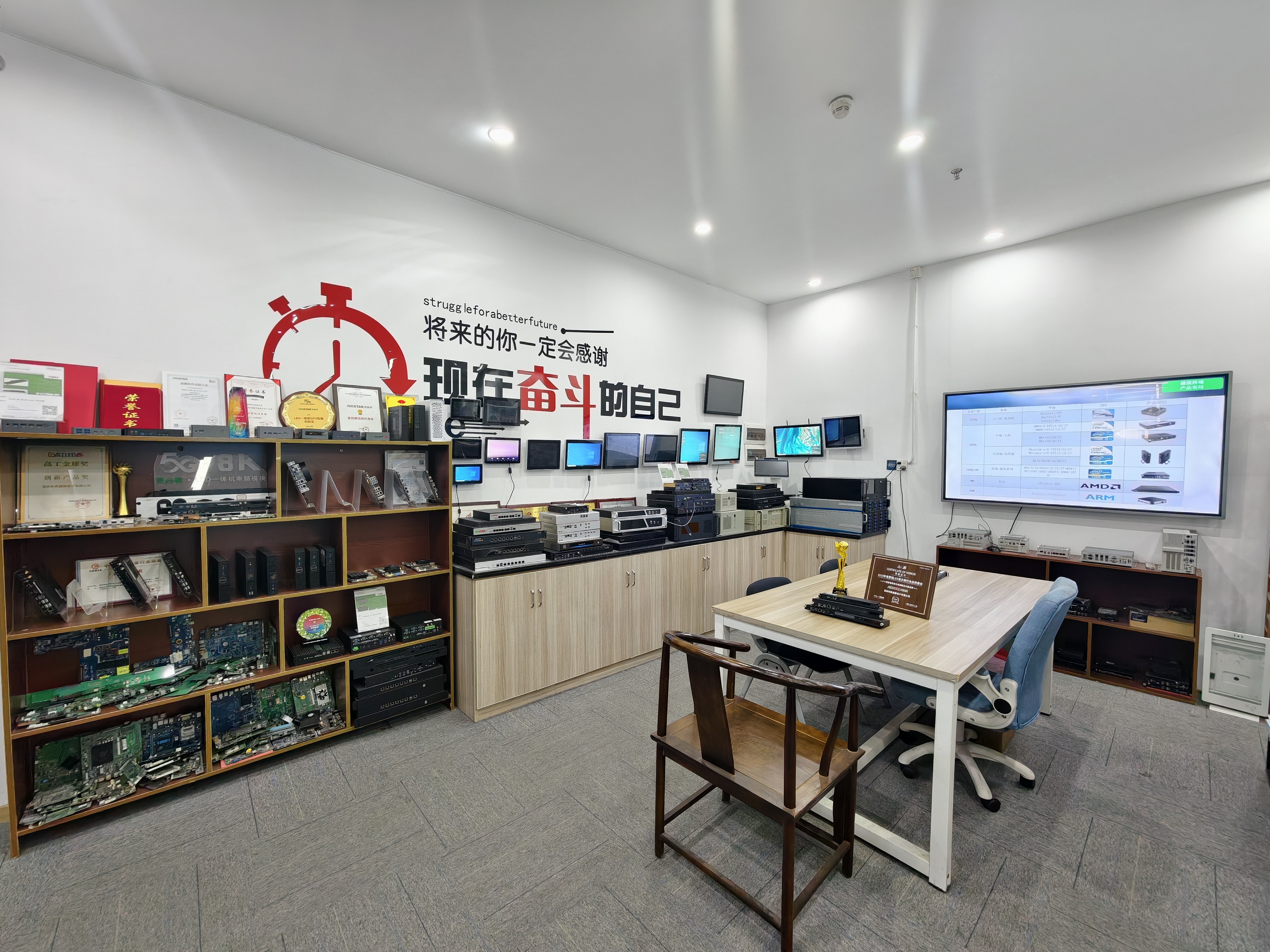
Requesting a module sample or a configured quotation is the next practical step after shortlisting.
Next step for your project. Tell AIOSTAR the slot standard, the software load and the target market, and the team can confirm which of the four modules fits, which memory, storage and graphics configuration is appropriate, and which certification documents apply to your destination market. Evaluation samples start at 1 unit, and the standard lead time is 60 days. Contact: aiostar.com · salesos@aiostar.com · WhatsApp +86 153 3879 5007.
Have Questions or Need More Details?
Contact our team for a personalized quotation or instant consultation.
Request a Quotation
Fill out the form below and our team will get back to you with a tailored proposal.
WhatsApp Direct Chat
Prefer to chat in real-time? Message us on WhatsApp for instant assistance & quick answers.
- Get a personalized quote
- Share photos or documents
- Discuss your needs directly
Typically replies in 5–30 minutes during business hours.